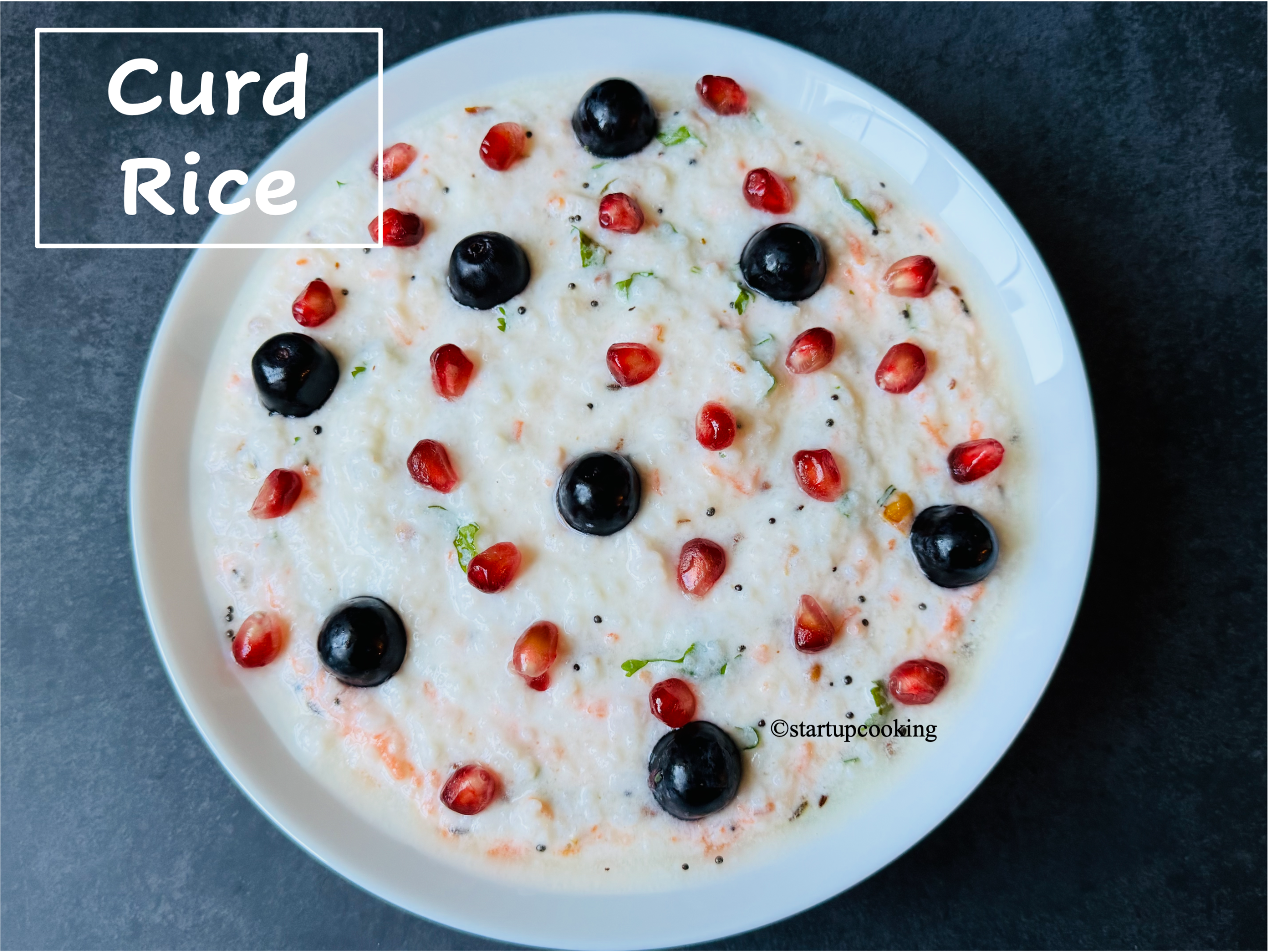
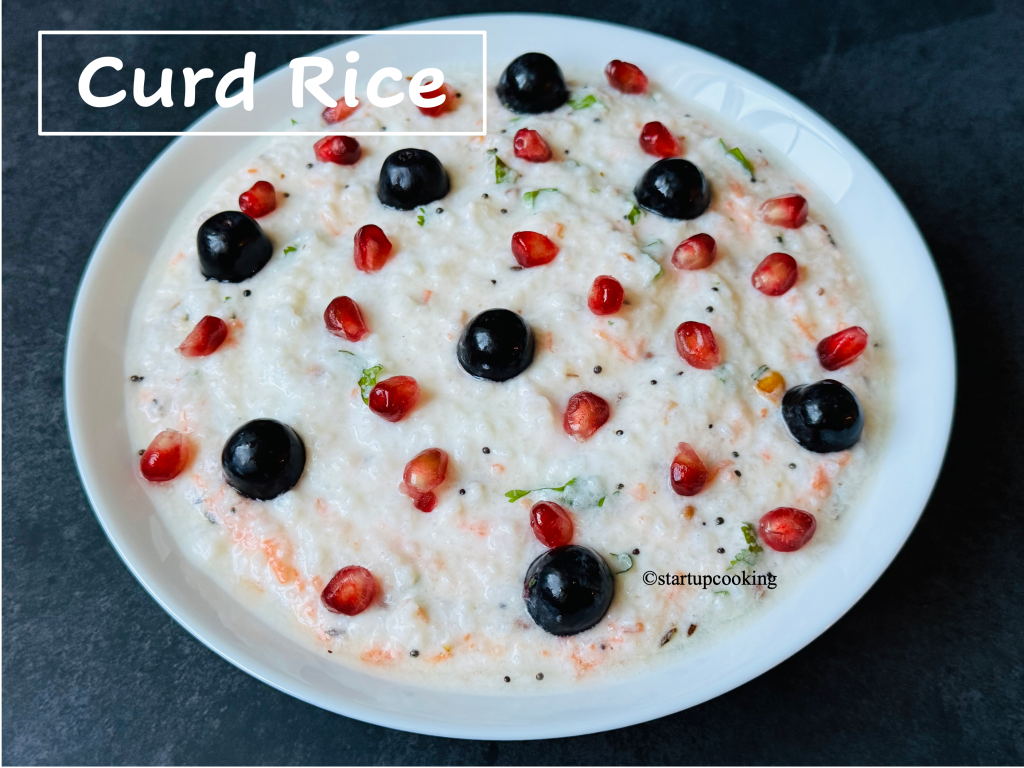
Curd Rice is a beloved dish in South Indian cuisine, cherished for its simplicity and comfort. It’s a versatile meal that can be enjoyed at any time of day, whether as a quick breakfast, a soothing lunch, or a calming dinner.
The basic ingredients of curd rice are straightforward: cooked rice, plain yogurt (curd), and a few spices. The rice is typically cooled and mixed with yogurt, creating a creamy texture that’s both refreshing and filling.
One of the best things about curd rice is its customizability. You can add ingredients like grated ginger, chopped green chillies, or fresh coriander leaves to give it an extra kick. Some people also add a bit of sugar or salt to balance the flavors.
Curd rice is often served with accompaniments like pickles, papadum or spicy chutneys, which add a burst of flavor and texture. It’s a great way to enjoy a variety of tastes in one meal.
In many Indian households, curd rice is a to meal when someone is feeling unwell or needs a gentle, easy to digest food. The cooling properties of yogurt and the simplicity of rice make it a perfect comfort food.
Whether you’re looking for a quick meal or a soothing dish to share with family, curd rice is a great choice. It’s easy to make, delicious, and full of flavor. Give it a try, and enjoy the comfort of this classic dish!
HISTORY OF CURD RICE
Curd Rice, a staple South Indian dish known as thayir sadam, has ancient roots, with fermented milk products mentioned in Ayurvedic texts as early as 6000 BCE. Originally, it was a nutritious meal for the elite, but evolved over millennia into a widely enjoyed, comforting, and cooling dish across all social classes to aid digestion and manage warm weather.
CULTURAL SIGNIFICANCE
Beyond its culinary role, curd rice has historical ties to temple rituals and is a staple for daily consumption, particularly in the summer months to provide relief from the heat.
BENEFITS OF CURD RICE
Curd rice is a nutrient-dense, easily digestible comfort food that boosts gut health, provides cooling relief in hot weather, and strengthens immunity. Rich in probiotics, calcium and essential nutrients, it aids digestion, reduces body heat, and provides a balanced mix of carbohydrates and protein. It is particularly effective for soothing digestive discomfort and acidity.
Curd contains beneficial bacteria lie lactobacillus that improve gut flora, helping to restore balance after illness or antibiotic use. It is highly beneficial for soothing upset stomachs, reducing acidity, and alleviating symptoms of diarrhea or bloating. In hot climates, it helps lower body temperature, providing hydration and preventing sunstroke. It is a good source of calcium and phosphorus, which are essential for maintaining strong bones and teeth.
As a staple at the end of South Indian meals, it helps soothe the digestive system after consuming spicy foods. The fermentation process increases the bioavailability of nutrients, while providing a steady source of energy. Regular consumption helps in strengthening the immune system.
Similar Recipes,
- spinach corn rice
- sambar sadam
- Soya chunks pulao
- paneer peas pulao
- corn pulao
- kovakkai sadam
- lemon rice
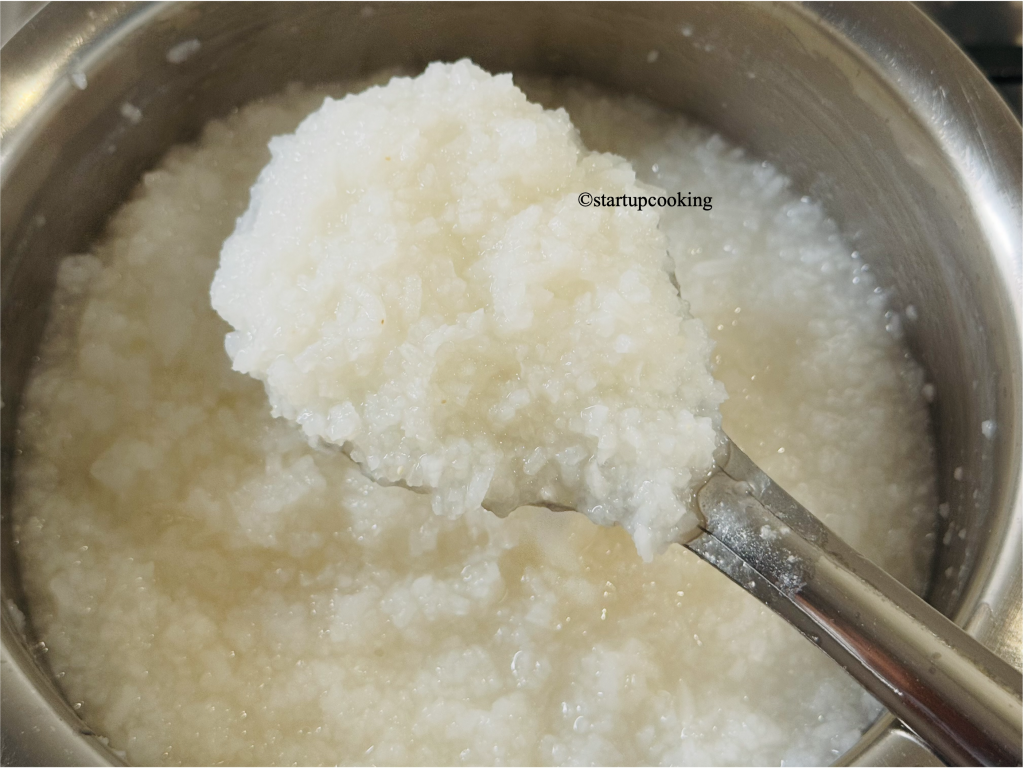
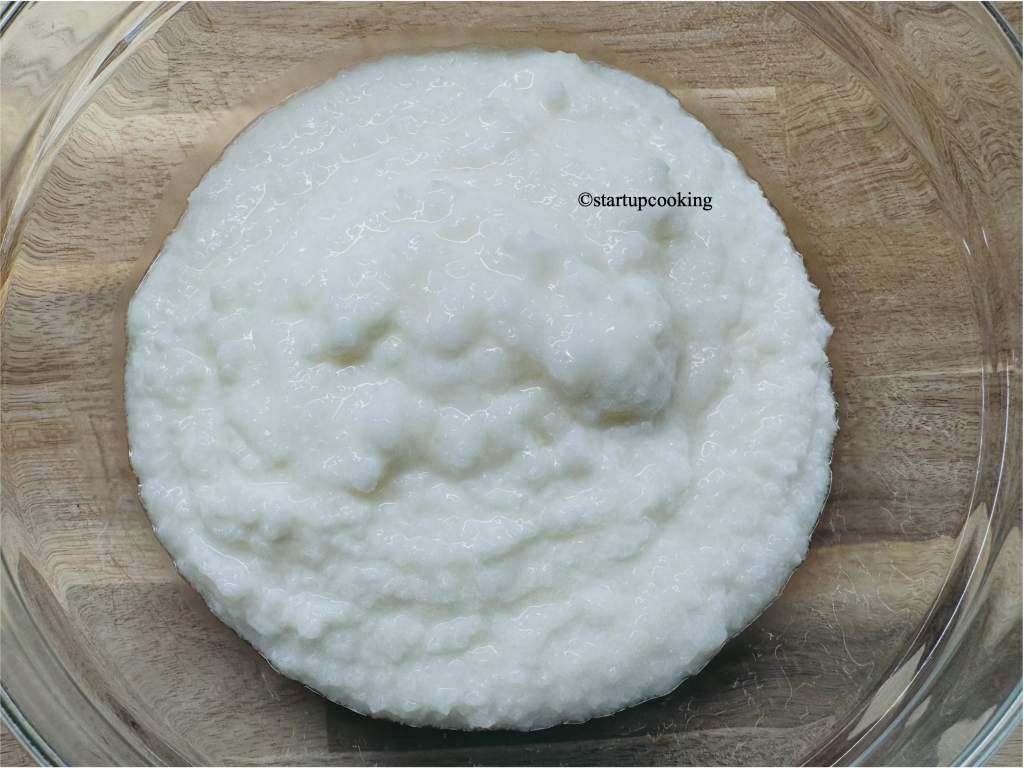
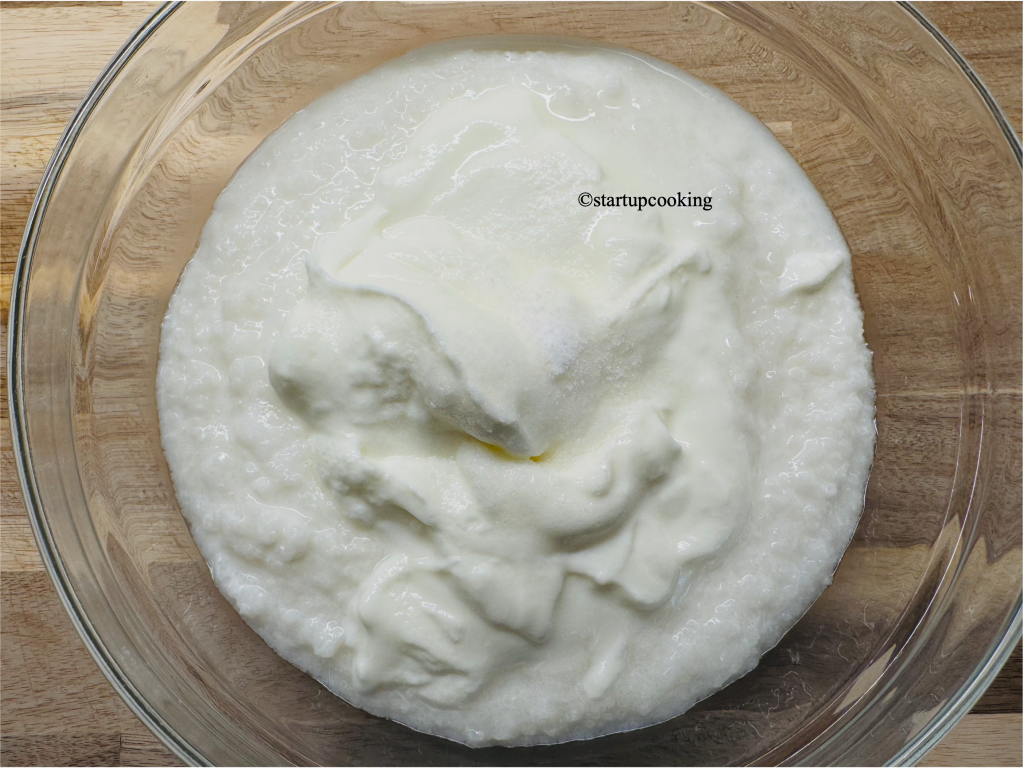
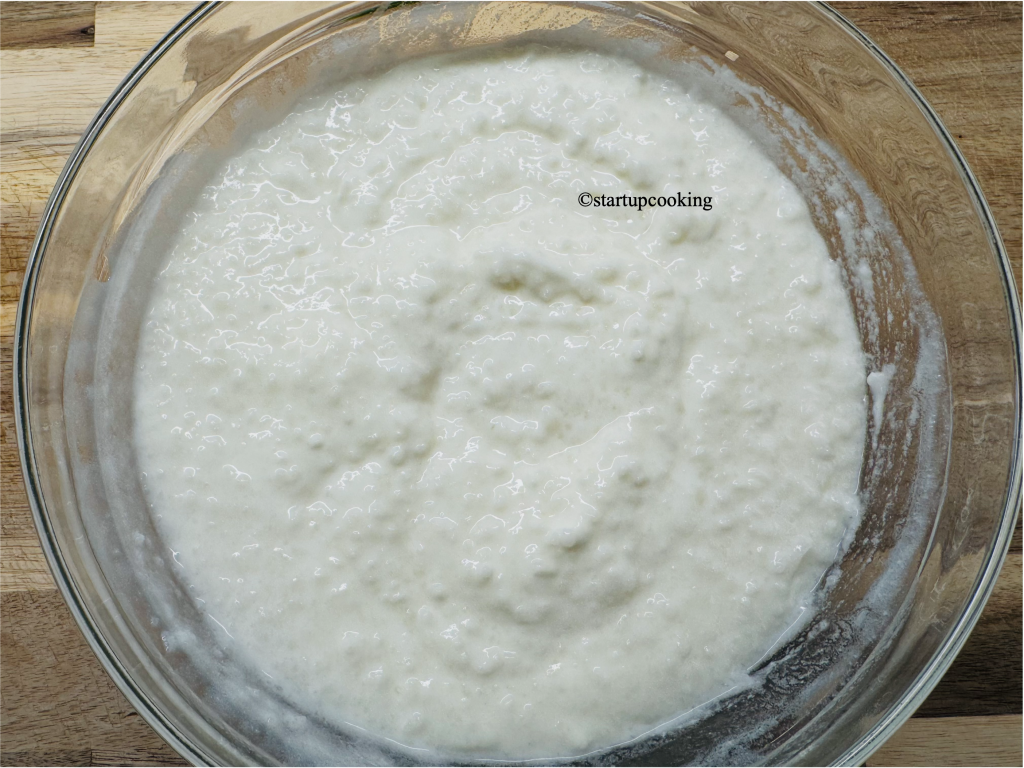
CURD RICE WITH STEP BY STEP PHOTO RECIPE
collection of biryani recipes
- veg dum biryani
- Chettinad mushroom biryani
- Egg Biryani
- Ambur mutton biryani
- bhai Veetu chicken biryani
- Chickpea biryani
- Spinach biryani
- Cauliflower biryani
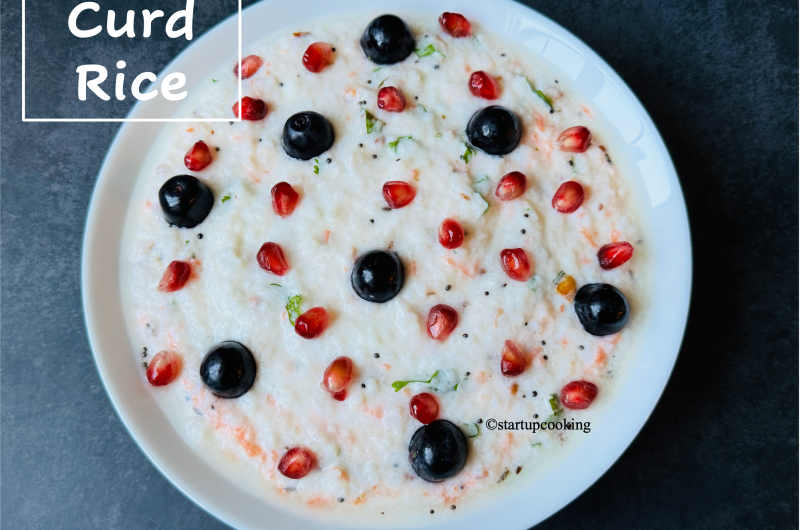
Curd Rice | How to Make Curd Rice
Course: LunchCuisine: South IndianDifficulty: Easy4
servings5
minutes30
minutes35
minutesCurd Rice or Thayir Sadam, is a popular South Indian comfort dish made by mixing soft-cooked rice with yogurt and often finished with a seasoned tempering of mustard seeds, cumin seeds, green chillies, curry leaves, ginger and cashews.
Ingredients
1 cup rice
3 cup water
salt – to taste
2 cup curd
1 tbsp oil
1/2 tsp mustard seeds
1/2 tsp urad dal
1/2 tsp cumin seeds
1/4 tsp hing
1 spring curry leaves
2 green chillies – chopped
1 tsp ginger – crushed
1 tsp cashews – broken
1 carrot – grated
1/4 cup coriander leaves – chopped
handful of pomegranate – for garnish
handful of grapes – for garnish (optional)
Directions
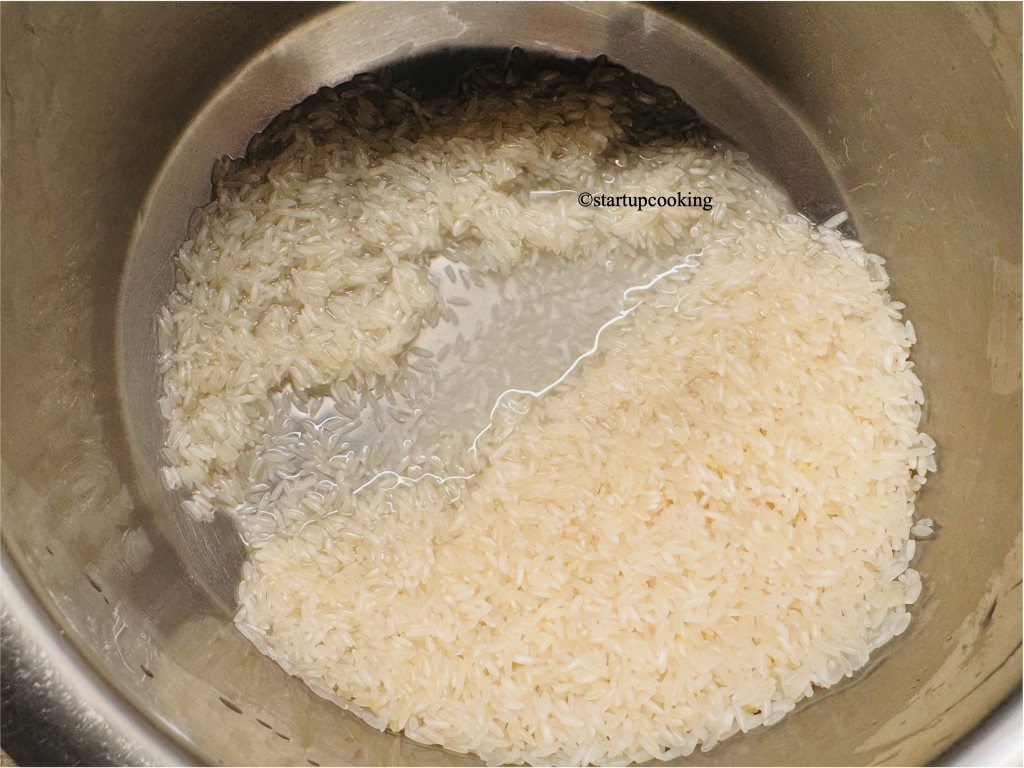
- add rice to a bowl and rinse it well a few times. then pour 3-3.5 cups water and a 3/4 tsp of salt.
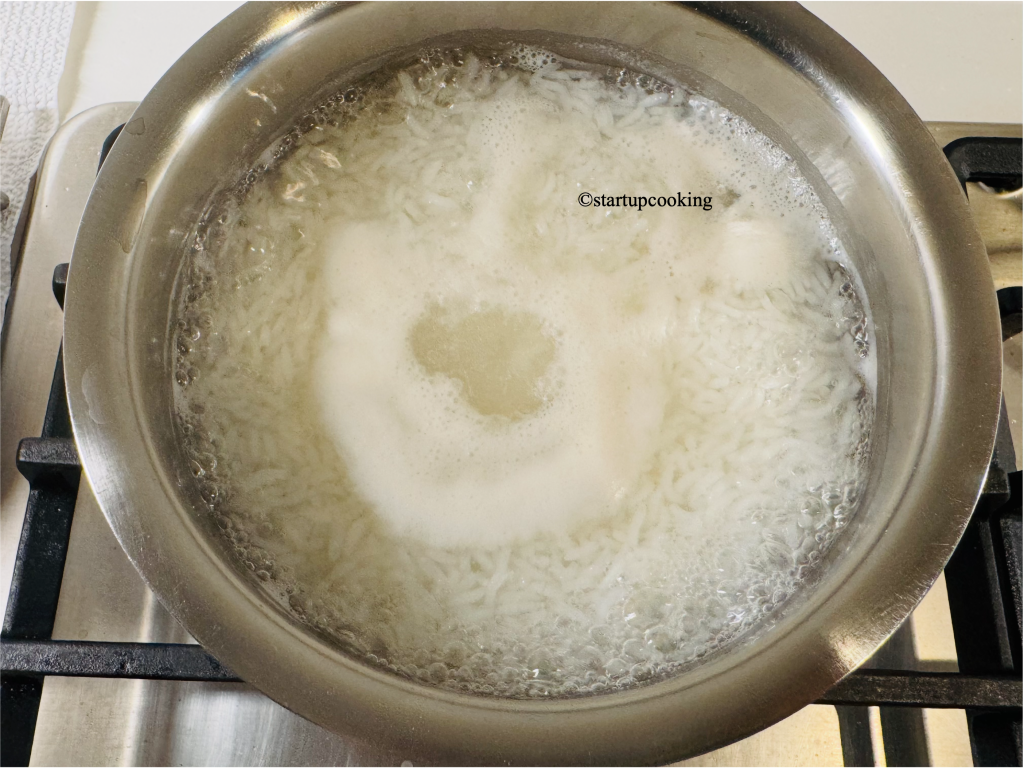
- cook the rice in open pot for about 15-20 minutes. check the rice. take a few grains and press them; they should be soft and easily mashable, not hard in the center. you can also cook the rice directly in the cooker for 2 whistles.
- once rice cooked thoroughly, turn off the stove and mash the rice lightly. you can also fluff up and use if you do not like mushy rice. then cool the rice completely.
- add curd to cooled rice. mix well until combined. if you have cooked the rice without salt, then add it now.
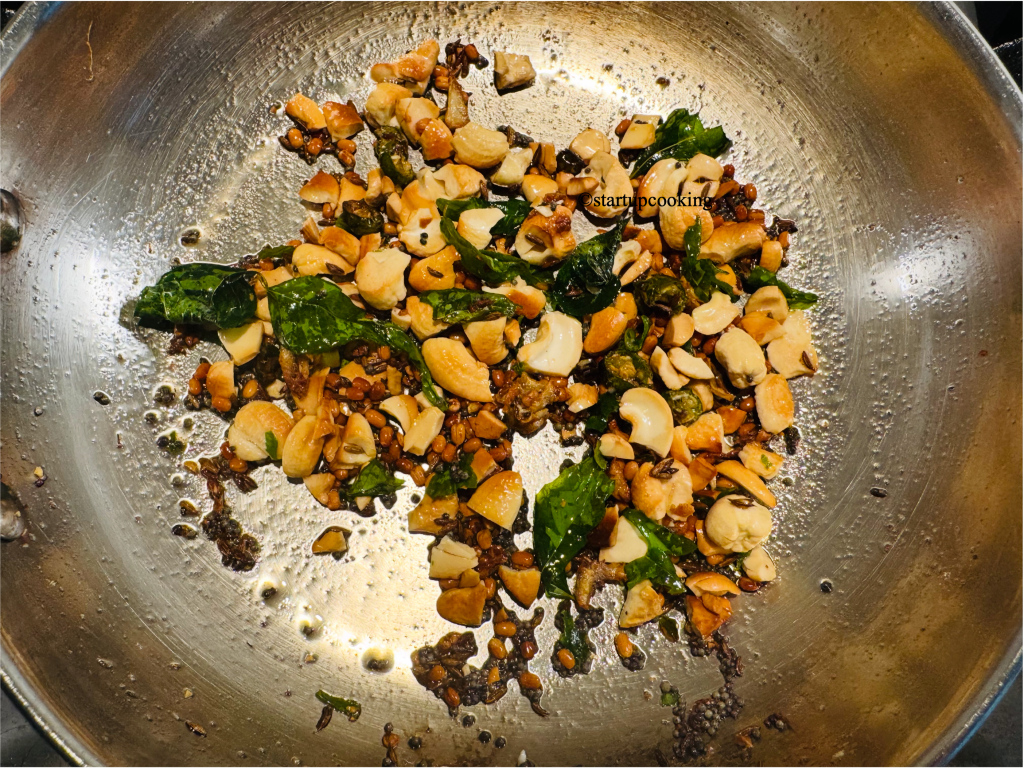
- heat oil in a pan, then temper with mustard seeds, urad dal, cumin seeds, cashews, fry until the dal turns golden. then add crushed ginger, green chillies and curry leaves. when the curry leaves turn crisp, add hing.
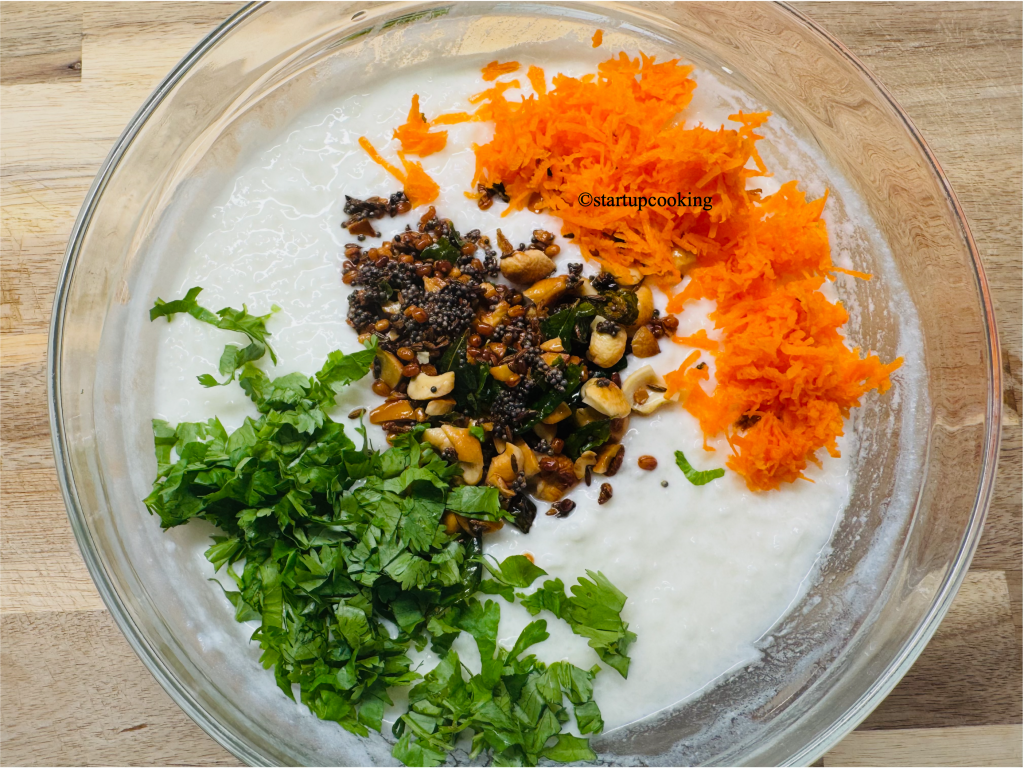
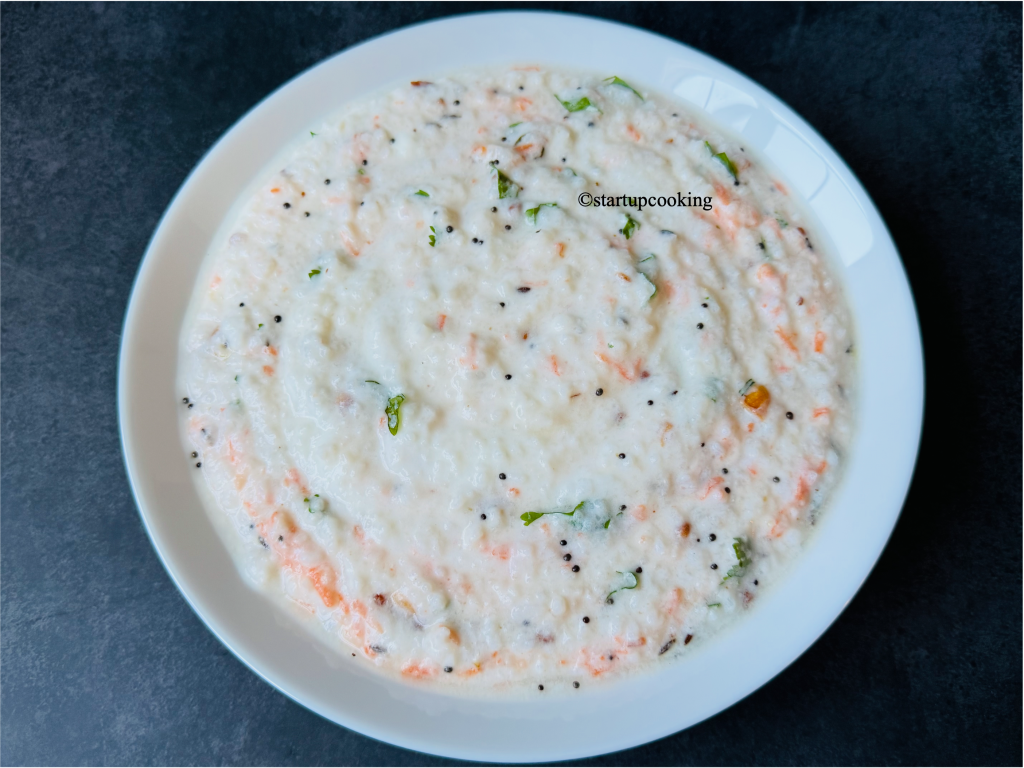
- pour the tempering over the curd rice and mix well the curd rice. south indian style curd rice is ready to serve.
- stir in grated carrot and chopped coriander leaves to the curd rice.
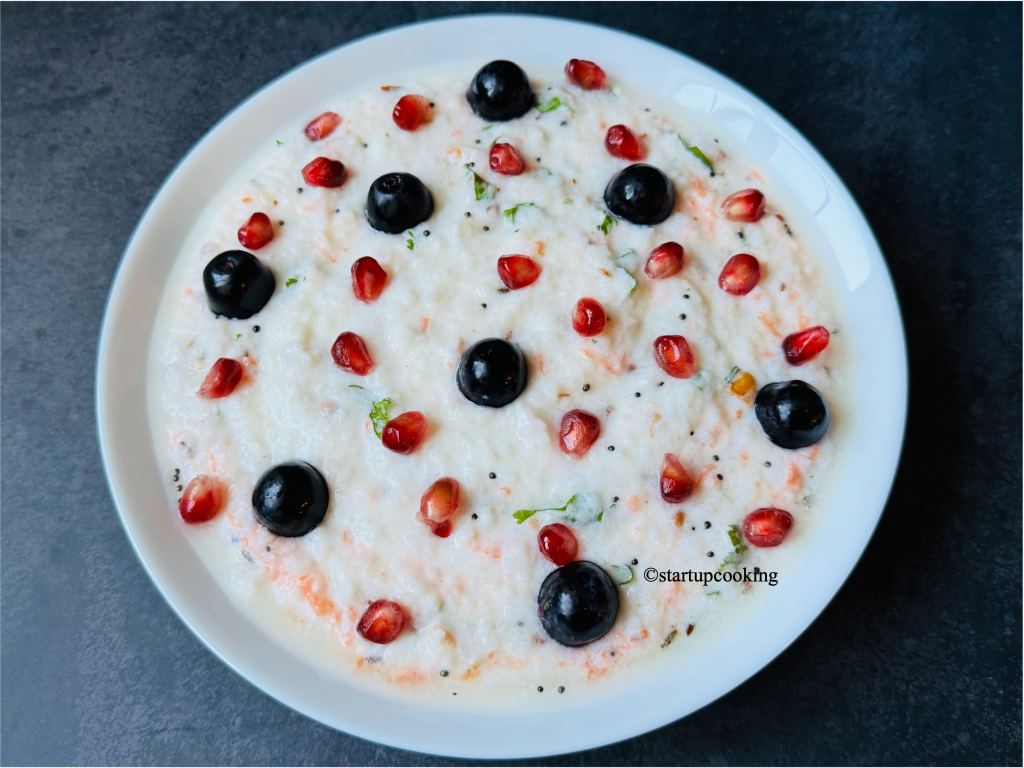
- garnish with pomegranate and grapes. it tastes really great.
Notes
- Use Fresh Curd: Homemade, low-fat curd is ideal to avoid excess fat
- if you are making this to serve later – say after few hours, then pour 1/4 cup preboiled milk to the mashed rice. this keeps your curd rice fresh without becoming sour.
- you can replace white rice with brown rice, millets or oats. if using brown rice, soak it well for a few hours before cooking.
- milk also prevents the curd rice from turning sour even when kept for long hours.

Нужны скины? скины cs2 по выгодным ценам — большой выбор популярных предметов для Counter-Strike 2. Найдите редкие ножи, перчатки, оружие и другие скины для игры. Быстрая покупка, удобный каталог и актуальные цены на скины CS2.