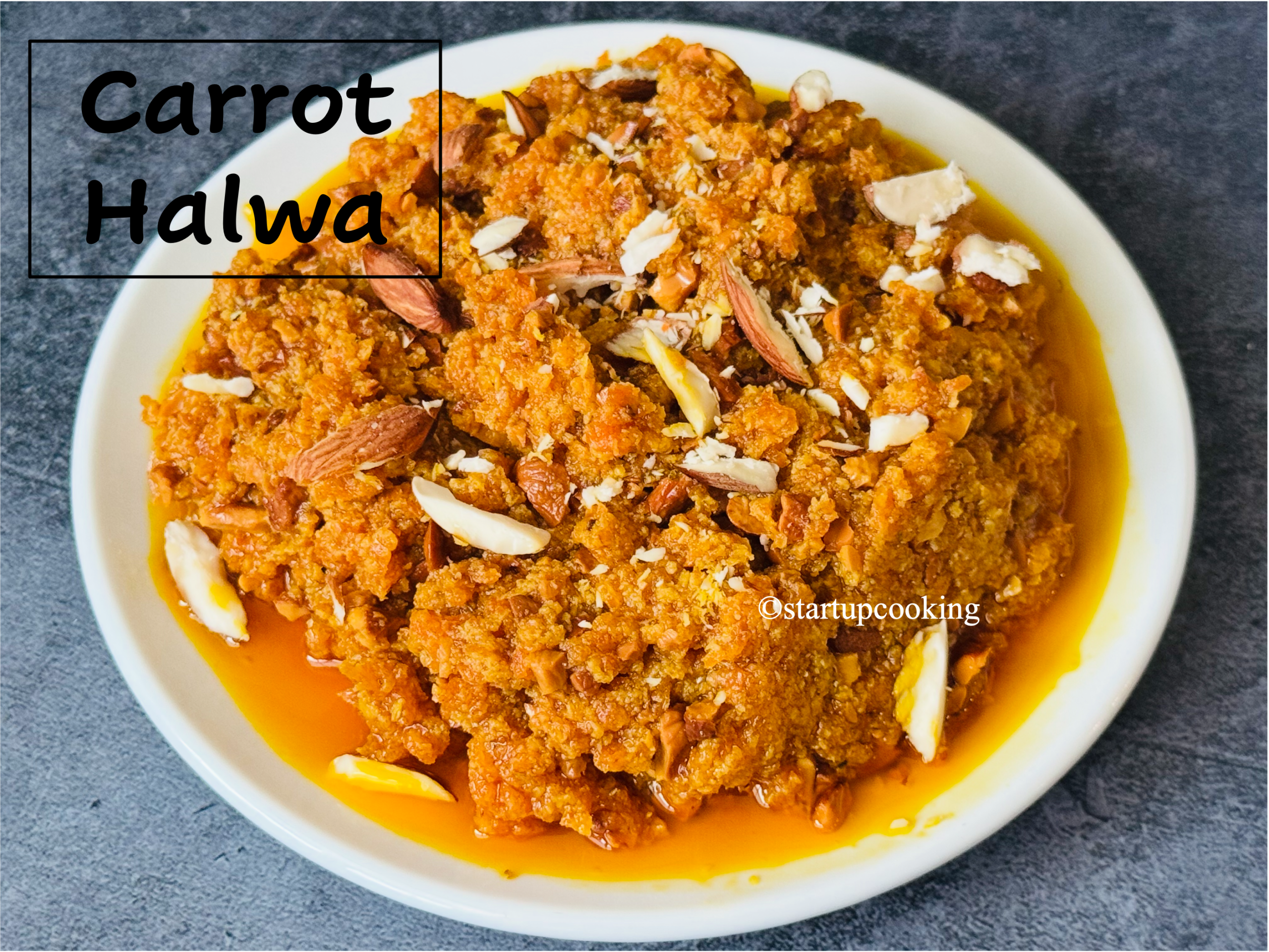
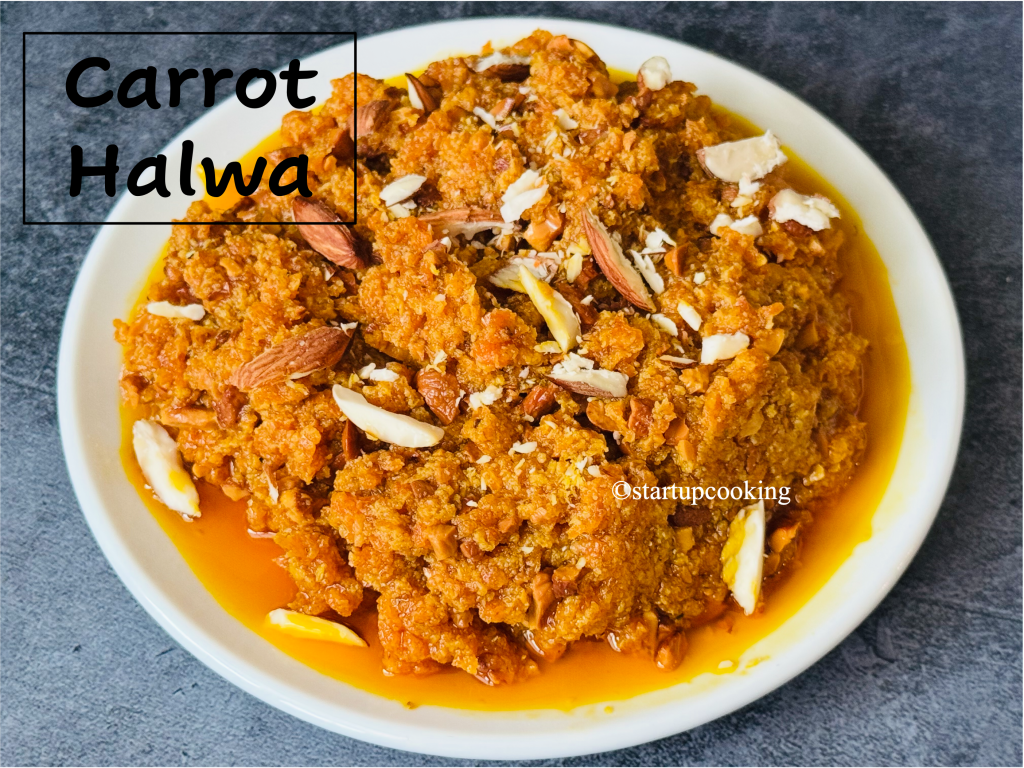
Gajar ka Halwa, also known as Gajrela, is a legendary carrot based sweet pudding that defines the winter season in the Indian subcontinent. As temperatures drop, the arrival of fresh, juicy Indian carrots signals the beginning of a cherished culinary ritual in households across India, Pakistan, and Bangladesh. This dessert is more than just a sweet; it is a symbol of warmth and comfort during the coldest months of the year.
The name itself is a fusion of cultures: “Gajar” is the Hindi and Urdu word for carrot, while “Halwa” is derived from the Arabic word “hulw,” which simply means “sweet”. Originally used in arabic texts like the 13th century Kitab-al-Tabikh to describe dense confections made from date paste and milk, the term eventually evolved to encompass a wide variety of grain, nut and vegetable-based puddings across South Asia.
Historians believe Gajar ka Halwa was introduced to India during the Mughal Empire. The Mughals, known for their opulent culinary traditions, favored rich “Mughlai Mithai” and likely adapted existing Middle Eastern halwa techniques to local ingredients. Some legends even suggest that the recipe was first introduced by the Sikhs of Punjab to the royal Mughal kitchens, where it quickly became a favorite of emperors.
The hallmark of an authentic Gajar ka Halwa is the labor intensive process of slow cooking. Freshly grated carrots are simmered in full-fat milk for hours until the liquid evaporates, leaving behind a rich, fudge-like consistency. This process, often called “bhunai” or sauteing, allows the natural sugars in the carrots to caramelize with ghee, intensifying the flavor and changing the color from a bring orange to a deep, stunning scarlet.
Beyond everyday winter comfort, this dessert is an indispensable part of major south Asian festivals such as Diwali, Holi, Eid, and Raksha Bandhan. It is often the “most overdressed” dish on a festive table, generously garnished with silver leaf, raisins and fried nuts like cashews, almonds and pistachios. Its presence at weddings during the winter months is almost mandatory serving as a royal treat for guests.
Today, Gajar ka Halwa has evolved with modern tastes, leading to creative variations such as Red Velvet Halwa, cheesy carrot halwa, and even vegan versions using nut milks. It is commonly served piping hot, often paired with a cold scoop of vanilla ice cream for a contrasting temperature experience. Due to its popularity, it is now exported worldwide, allowing the global South Asian diaspora to enjoy a ” hug in a bowl” far from home.
Nutritional & Health Benefits
The primary ingredient, carrots is loaded with beta-carotene, which the body converts into Vitamin A. This is essential for maintaining sharp eyesight, boosting skin health, and strengthening the immune system against winter flus.
Since the traditional recipe involves simmering carrots in large amounts of milk, it becomes a significant source of calcium and protein. This helps in maintaining bone density and provides a steady release of energy.
The use of ghee provides the body with healthy fats and antioxidants. In the cold months, ghee helps keep the body warm from the inside and keeps the skin from becoming dry and flaky.
Carrots are a great source of dietary fiber. The aids in digestion and ensures that even though the dish is a dessert, it keeps you feeling full for longer compared to refined flour-based sweets.
Kid Approved Favorite
Kids often gravitate toward Gajar ka Halwa because carrots have a natural sweetness that isn’t as overpowering as artificial candies. The vibrant orange makes it visually exciting for children to eat.
For parents, it is a clever way to feed children vegetables. The slow-cooking process softens the carrots and blends them with milk and nuts, making it a nutrient-dense snack that kids perceive as a treat rather than a healthy meal.
Gajar Ka Halwa with Step By Step Photo Recipe

Dessert Recipes,
Chettinad Karuppu Kavuni Arisi
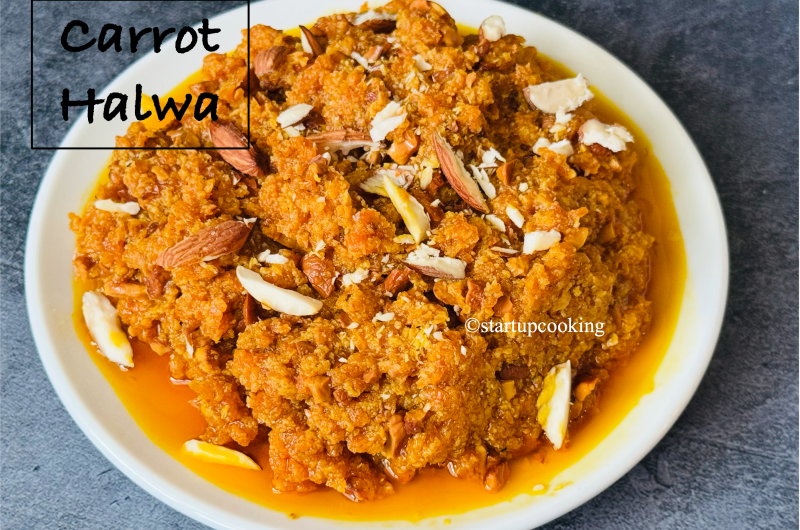
Carrot Halwa Recipe | How to Make Gajar Ka Halwa
Course: DessertCuisine: Indian5
servings30
minutes40
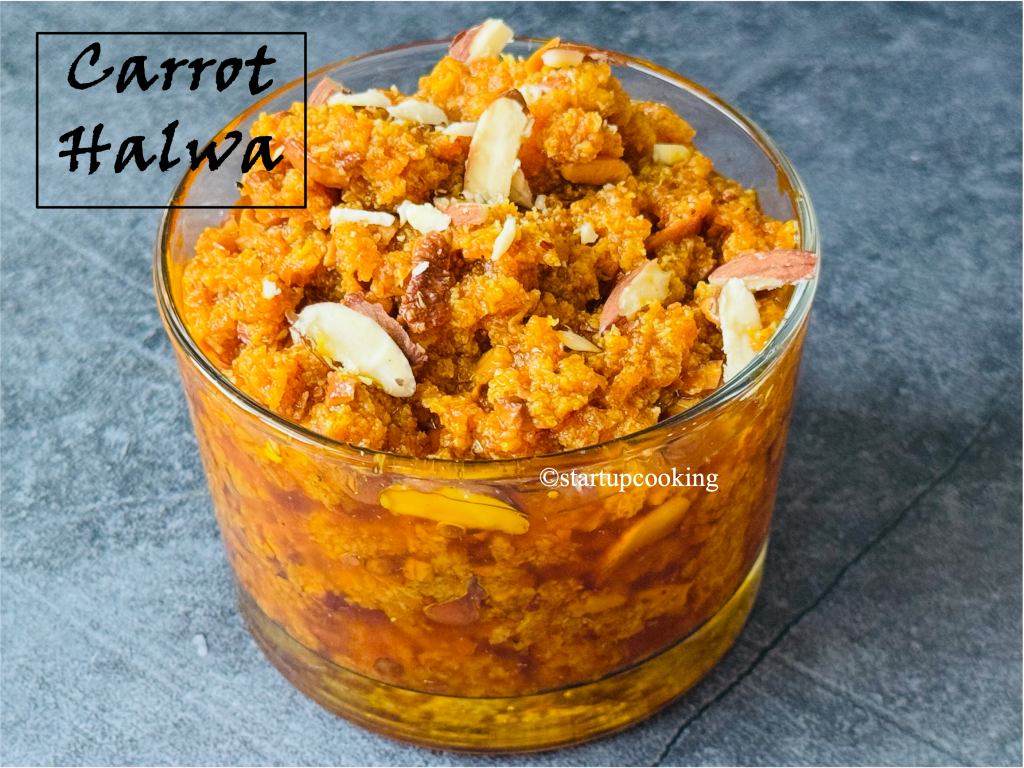
minutesgajar ka halwa is a rich, fudgy Indian carrot pudding made by simmering freshly grated carrots with full-fat milk, sugar, ghee and cardamom until thick and creamy.
Ingredients
1 pound carrots
1/4 cashew nuts
1/4 cup ghee
3 cup milk
1 cup sugar
1/4 tsp cardamom powder
Directions
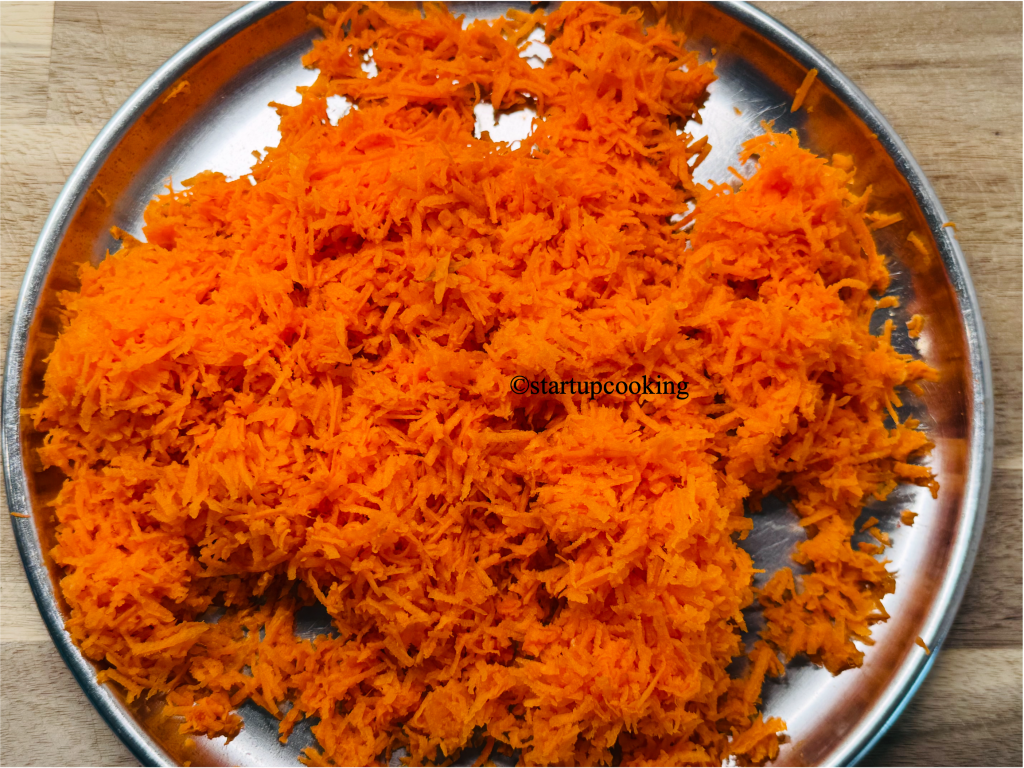
- wash 1 pound carrots thoroughly under running water. peel the skin and finely grate the carrots and keep aside
- make sure you use a heavy bottom large pan for this recipe as it helps to prevent the halwa from sticking to the bottom and burning.
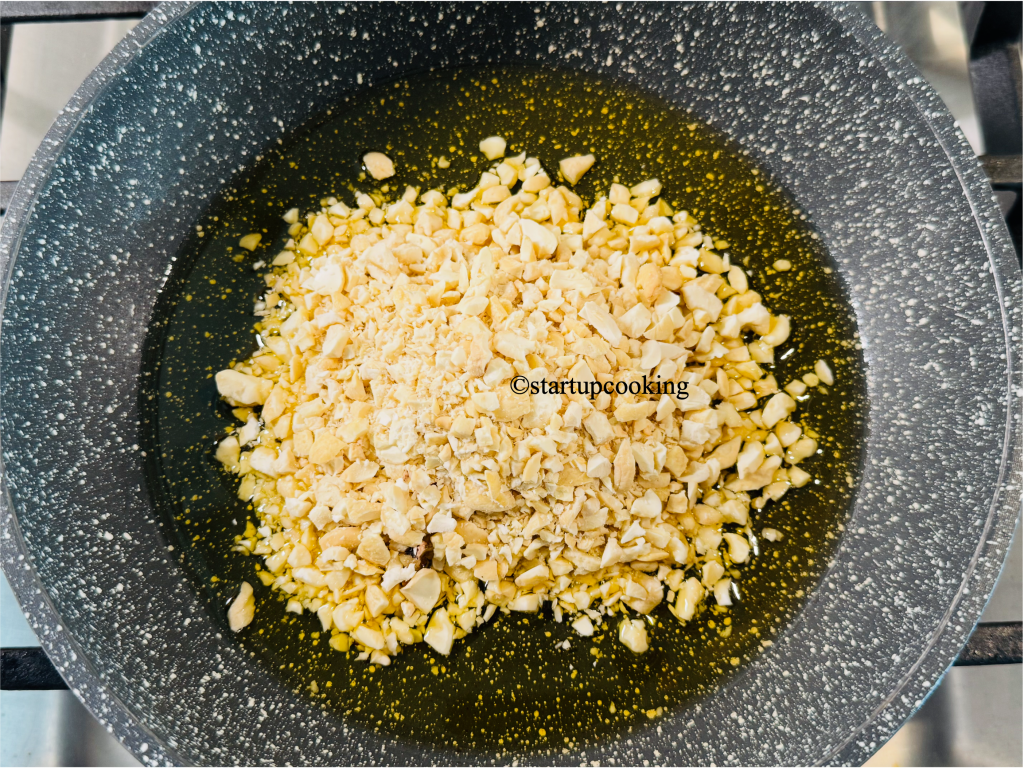
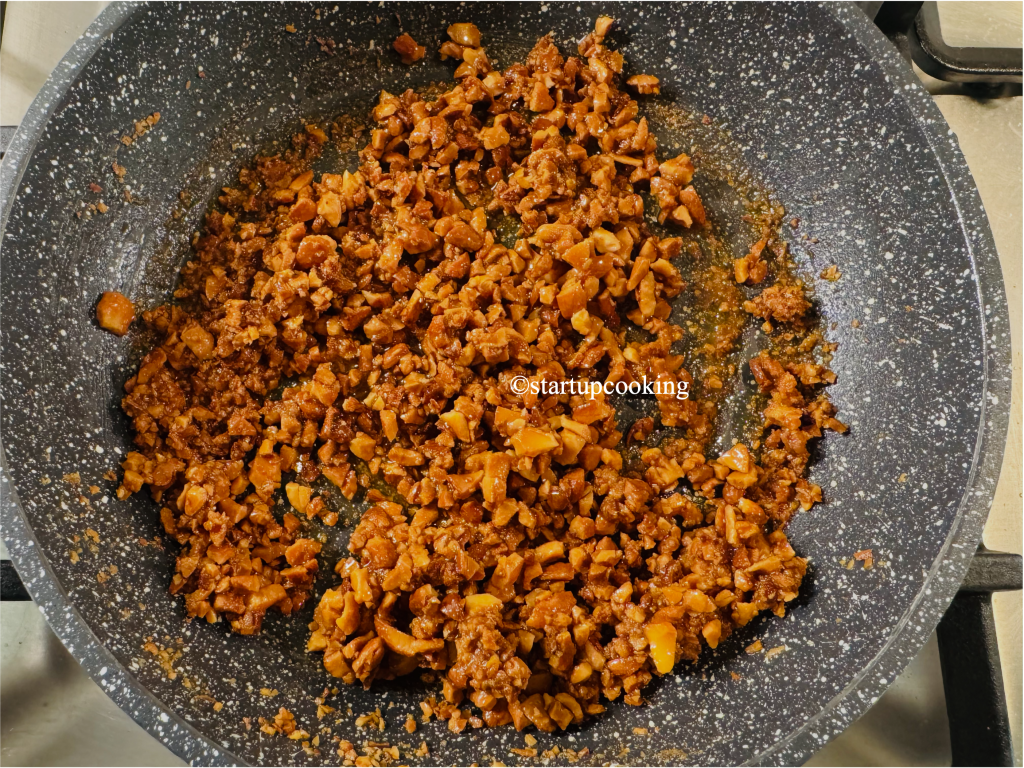
- crush cashew nuts in mortar and pestle and then on a low heat, fry cashews in one tablespoon ghee until golden and crunchy, set aside
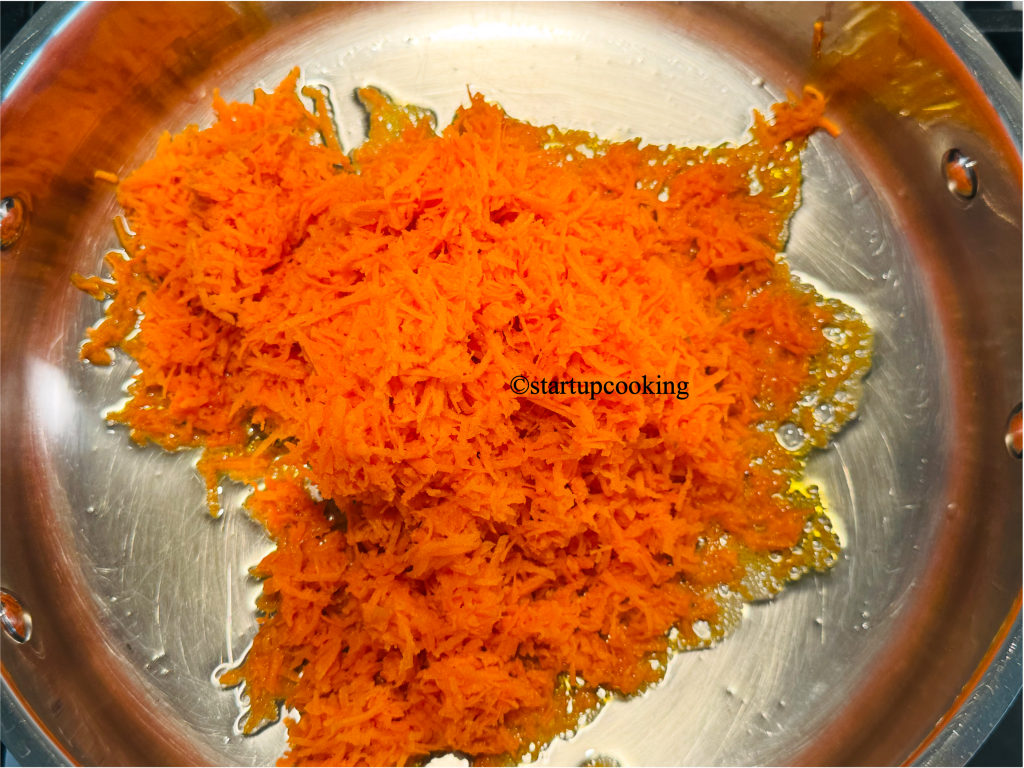
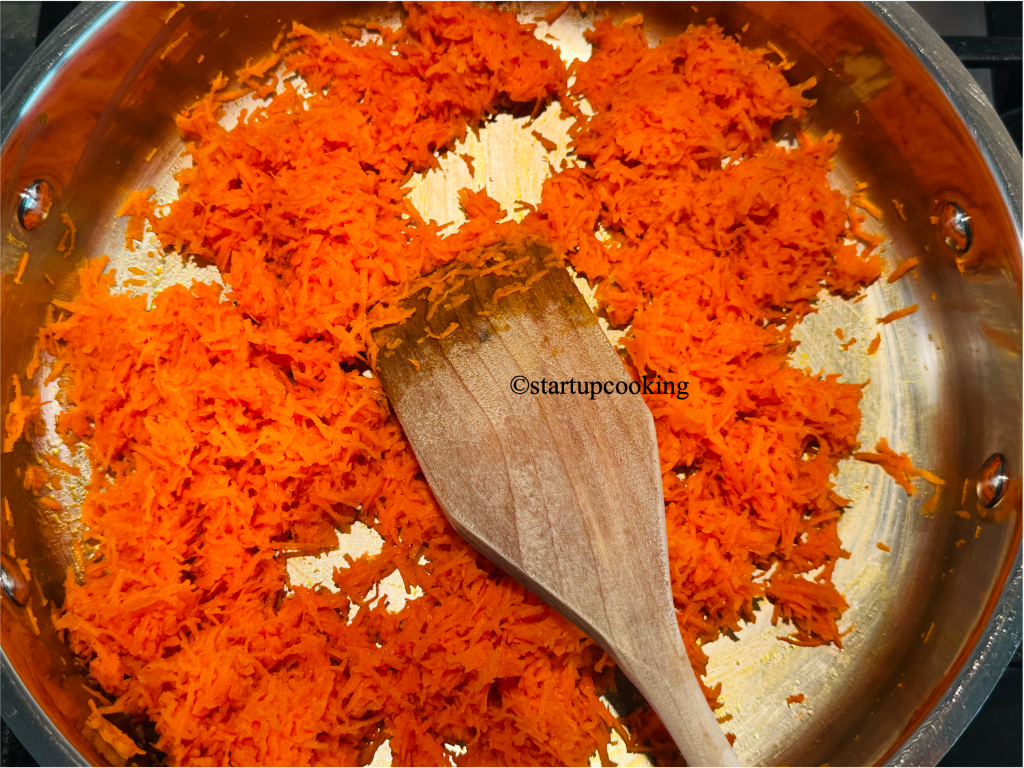
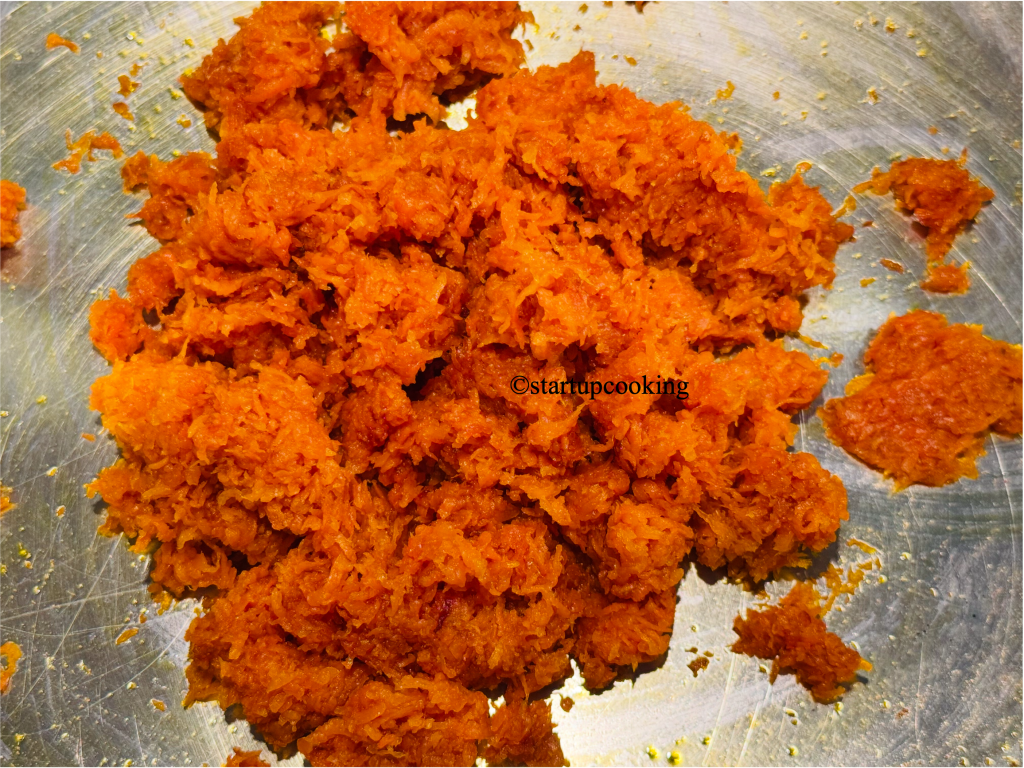
- add a tbsp of ghee in a heavy bottomed pan and add grated carrot and saute well, and continue to saute for 5 minutes or until it changes colour slightly
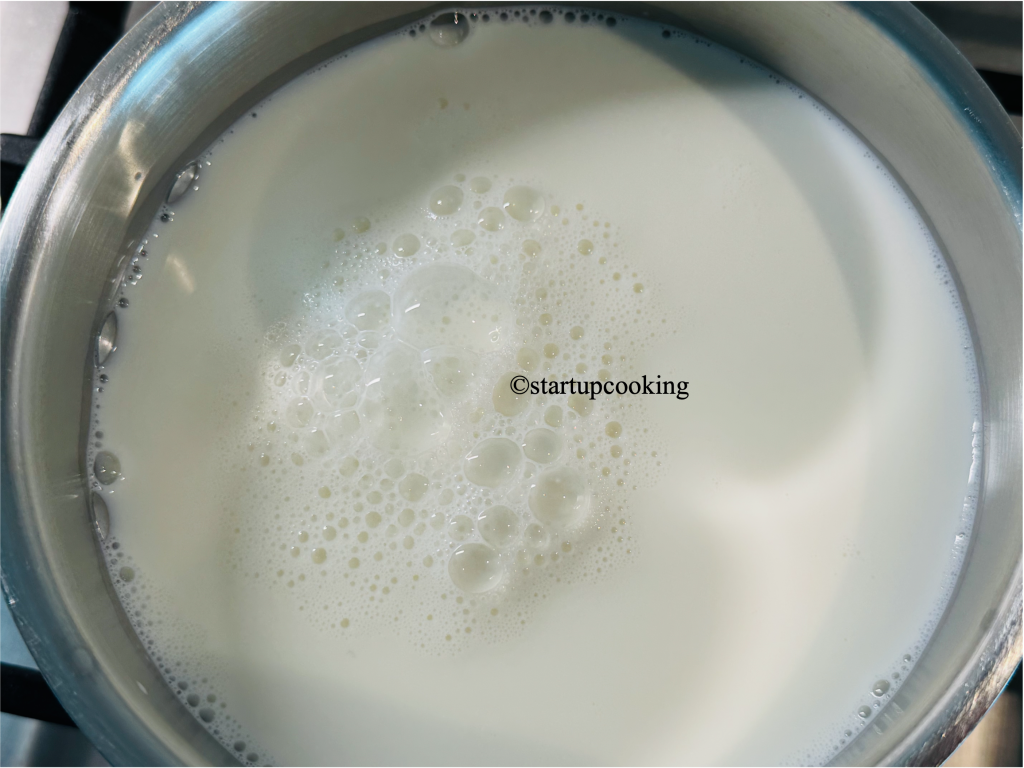
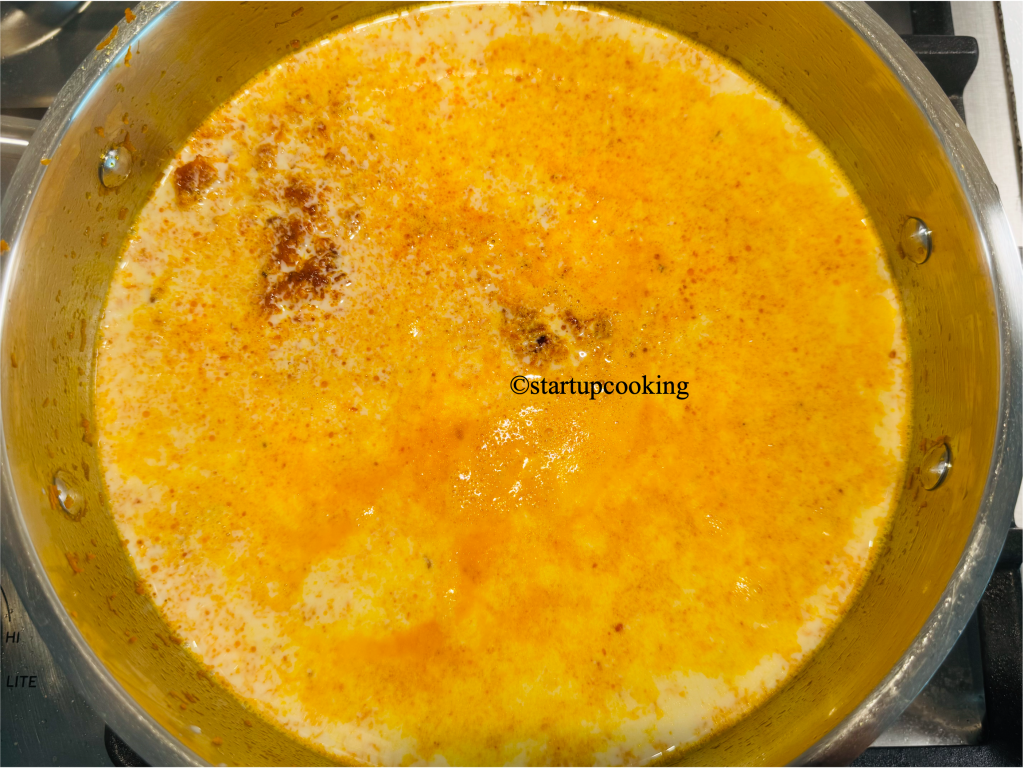
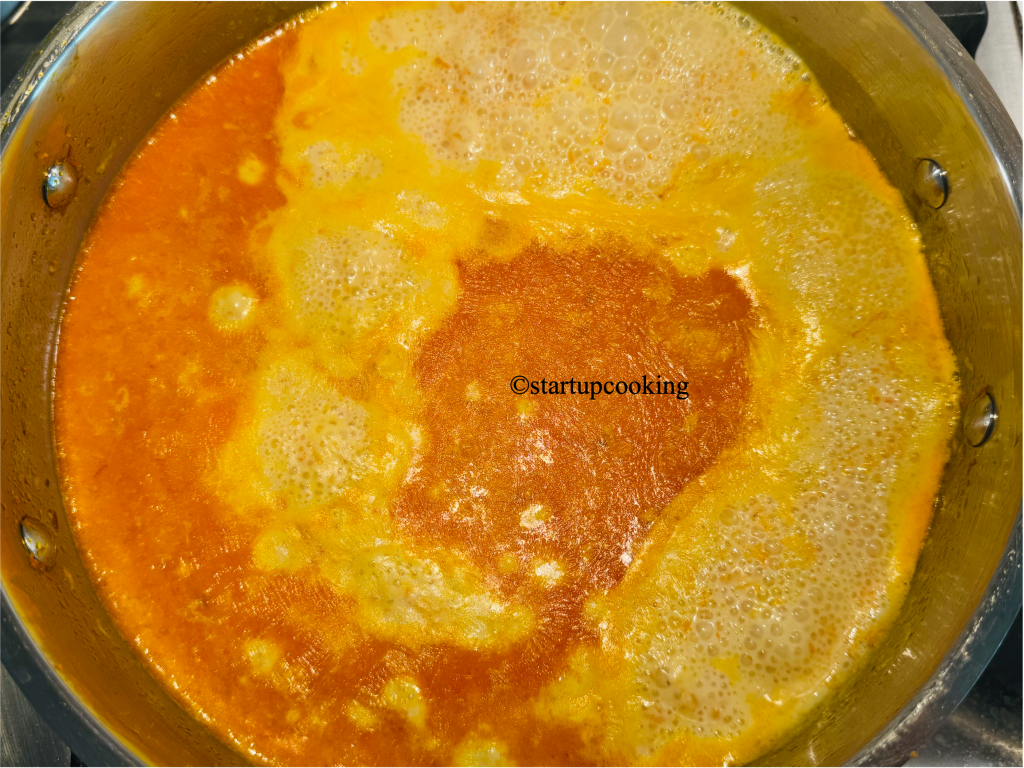
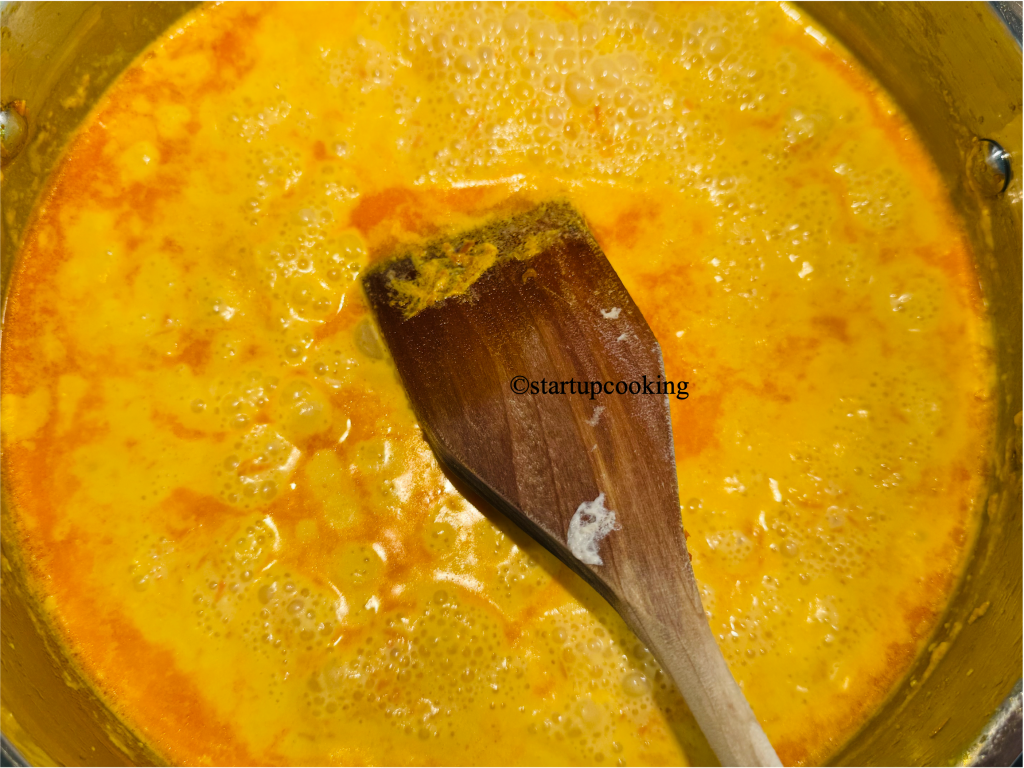
- meanwhile, boil 3 cups of milk in a pot, add gradually into the sauteed carrot and continue to boil until the carrots are cooked well and milk reduces
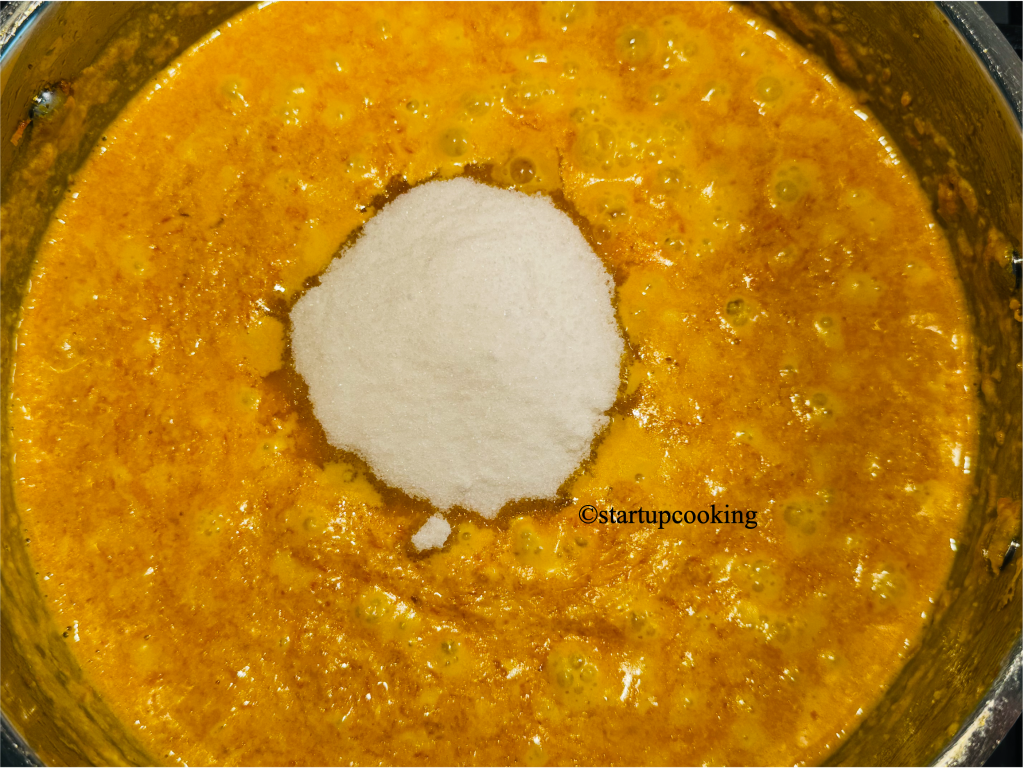
- once the milk thickens completely, add 1 cup granulated sugar
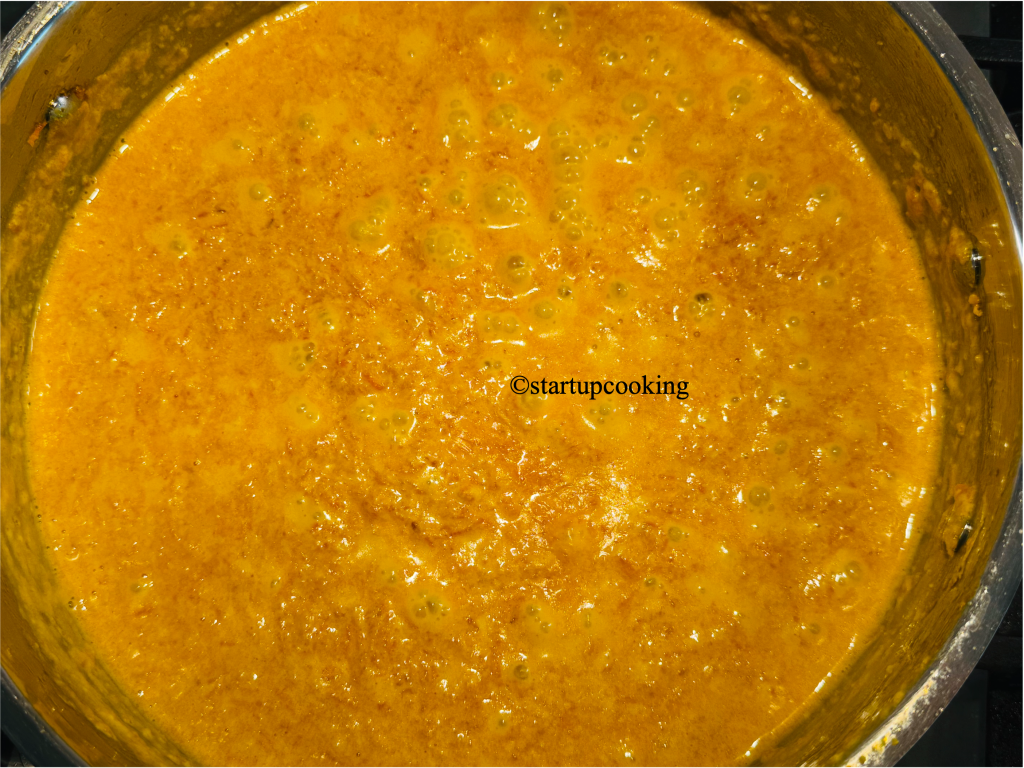
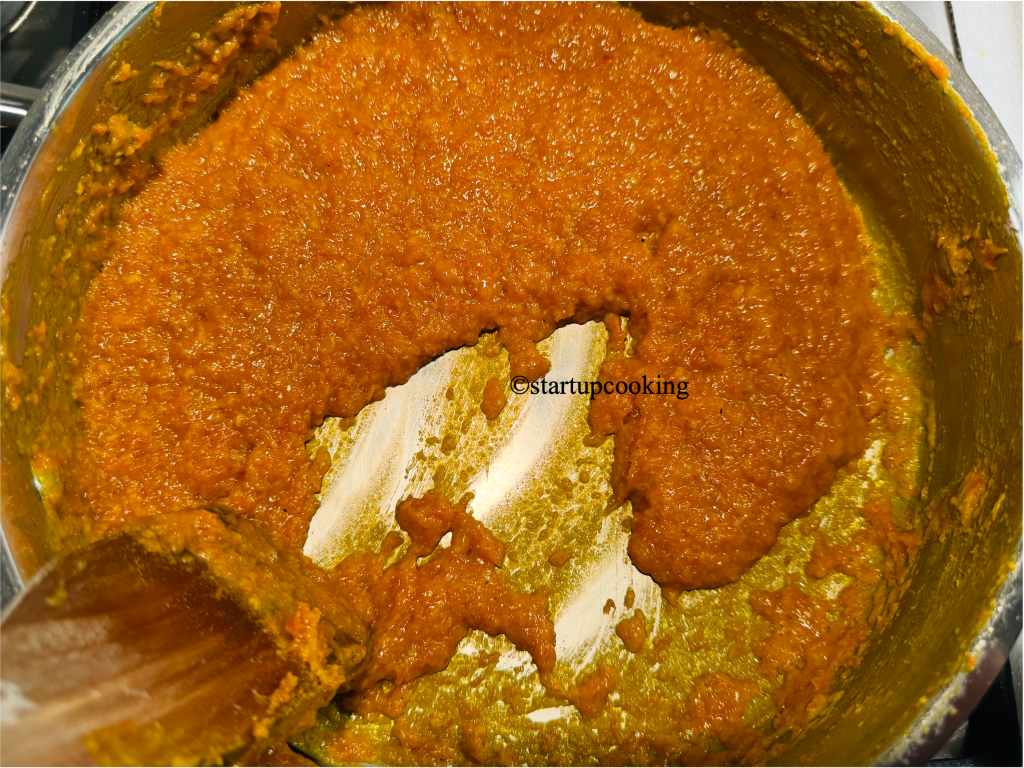
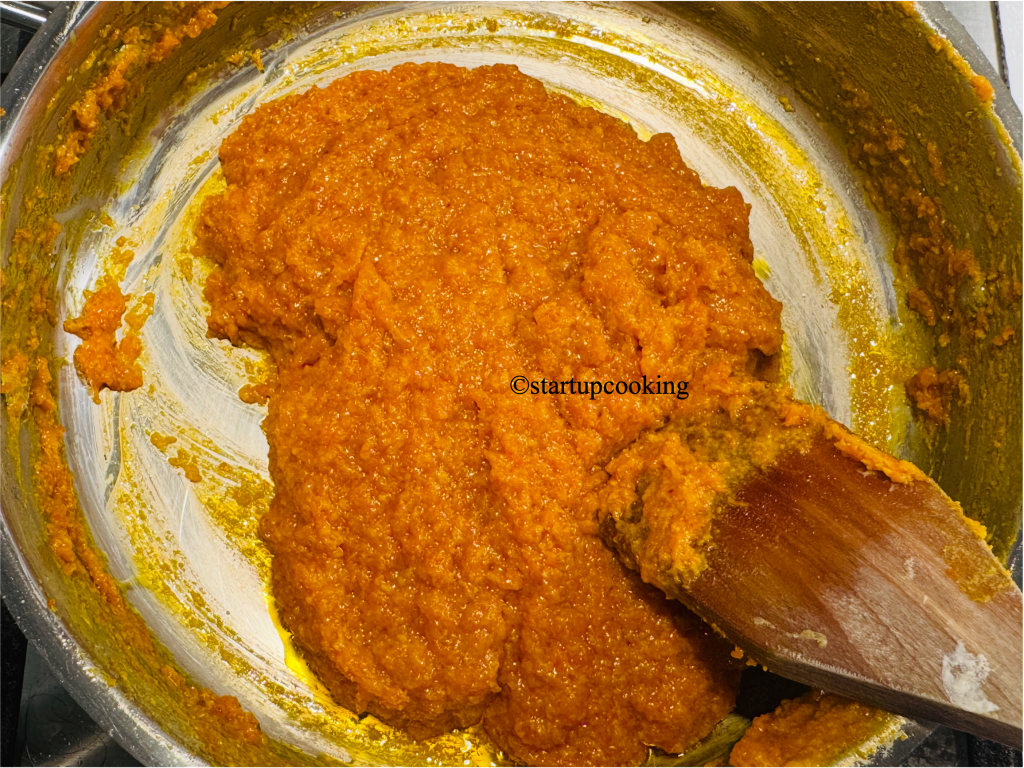
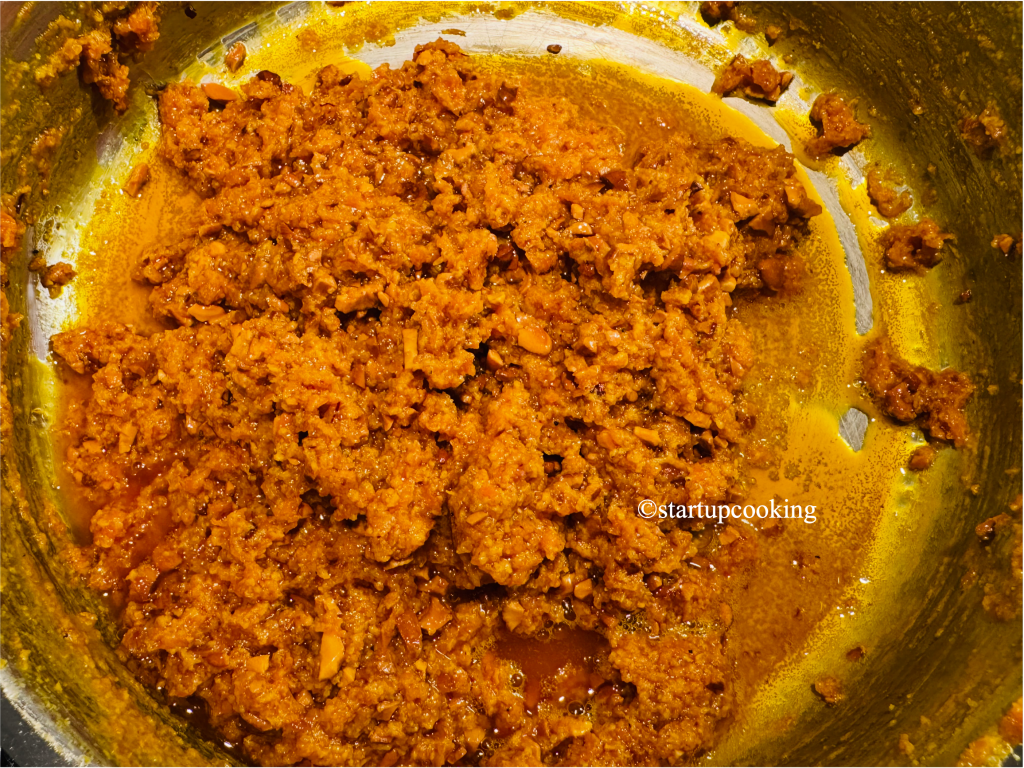
- mix well and cook until the sugar dissolves and thickens. cook until the halwa thickens and ghee releases from the sides
- now turn off the flame and add 1/4 tsp cardamom powder and fried cashew nuts
- mix well making sure everything is well combined
- finally, enjoy gajar ka halwa (carrot halwa) chilled or warm
Notes
- make sure to grate the carrot finely for better texture
- adjust sugar level according to your taste
- remember to keep stirring in between to prevent from burning